What is a Destination Wedding: Complete Guide to Celebrating in Mexico
If you've just gotten engaged and have been hearing the term for weeks, let's start with the basics: a destination wedding is a celebration held outside the city where the couple lives, in a place chosen precisely for the experience it offers. It's not just changing locations—it's transforming your wedding into a shared journey with the people you love most.
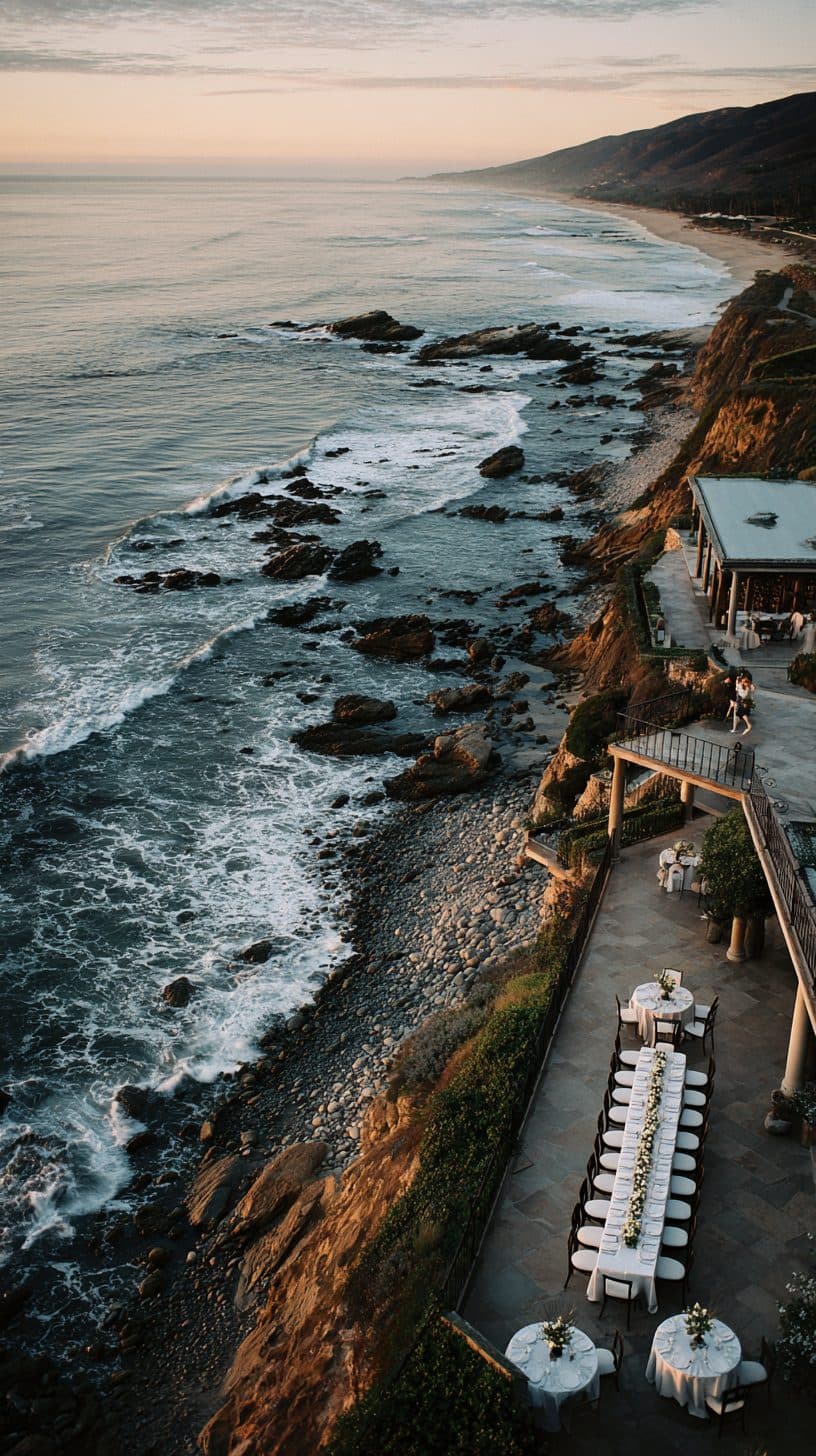
In Mexico, the concept has a special nuance, because we are one of the countries with the greatest variety of settings to celebrate it: colonial haciendas, vineyards, beaches, heritage cities, and magical villages. In this guide, I'll explain what a destination wedding truly involves, how it differs from a traditional wedding, how to organize it, and what you should consider before deciding.
And if you don't yet have your budget, Katiblé's budget calculator will estimate it with your guest count and destination — free and in one minute.
What exactly is a destination wedding
A destination wedding meets three conditions:
- It takes place far from where the couple lives — it can be in another state within the same country or abroad.
- The destination is part of the experience — you're not just choosing a venue, you're choosing a city, a landscape, and an atmosphere.
- Guests travel and typically stay more than one day — the wedding becomes a full weekend, with events before and after the ceremony.
That third point is what most changes the nature of the event. At a traditional wedding, guests arrive, celebrate, and return home the same night. At a destination wedding, they spend two or three days with you: the post-wedding brunch, the Sunday gathering, and Friday activities are all part of the plan, not extras.
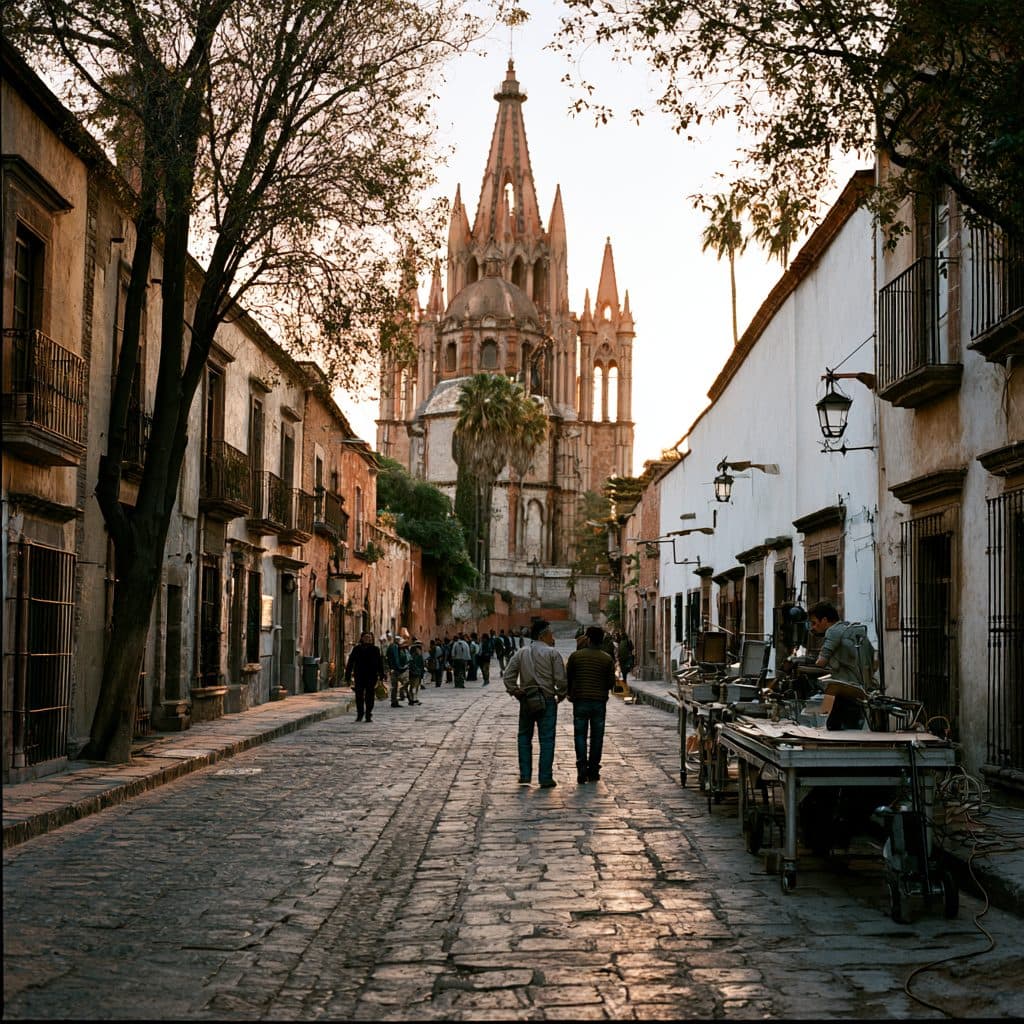
A fact that surprises many couples: you don't need to go to the other side of the world. A couple from Mexico City getting married in San Miguel de Allende, Valle de Guadalupe, or Oaxaca is having a destination wedding in every sense, with all the same advantages and the same organizational logic.
Destination wedding doesn't mean beach
It's the most common misconception. For years the term was almost automatically associated with Cancún or Los Cabos, and while the beach remains a classic, interior destinations are now growing strong among Mexican and international couples:
- Heritage cities: San Miguel de Allende, Guanajuato, Querétaro, Mérida, and Oaxaca offer colonial architecture, internationally recognized gastronomy, and hotel infrastructure designed for events.
- Wine route: Valle de Guadalupe has established itself as a destination for vineyard weddings, with a rustic aesthetic quite different from the beach.
- Haciendas: Yucatán, Jalisco, and Bajío concentrate restored haciendas that function as both venue and accommodation at once.
The choice depends less on trends and more on three practical questions: How easy is it for most of your guests to get there? What will the weather be like on your date? And does the destination have enough accommodation for your guest list size?
How much does a destination wedding cost
There's no single figure, and be wary of anyone who gives you one without knowing your guest list. What can be stated with certainty is how your budget behaves:
- Fewer guests means higher investment per person. Destination weddings typically have shorter guest lists than local weddings, because not everyone can travel. This allows you to allocate more budget to each guest's experience.
- Accommodation enters the equation. Although each guest typically pays for their travel and room, couples usually negotiate room blocks at preferential rates, and in many cases cover lodging for immediate family.
- There are vendor transportation costs. If your caterer comes from Querétaro and your florist from Celaya, their travel and expenses add to the quote. It's normal and negotiated from the start.
- It's distributed across more events. The budget is no longer just the reception: it includes the welcome dinner, the post-wedding celebration, and sometimes guest activities.
The practical recommendation: first define the actual number of guests who can travel, and quote from there. A well-executed destination wedding of 80 people almost always proves a better investment than a local wedding of 250 where half are out of obligation.
How to organize a destination wedding
Organizing a destination wedding has the same backbone as any wedding — date, venue, vendors, guests — but with three additional fronts you need to master:
1. The distance
Organizing from kilometers away means you can't visit the venue every weekend or do impromptu menu tastings. The solution is concentration: plan two or three trips to the destination with a set agenda (venue visits, menu tasting and trial, final walk-through) and handle everything else via video call and photos. Vendors experienced in destination weddings are already accustomed to this format.
2. The vendors
Here's something few couples know: at a destination wedding, vendors aren't always from the destination. It's completely normal for the venue to be in San Miguel de Allende, the wedding planner from Guadalajara, catering from Querétaro, and flowers from Celaya. Good wedding vendors travel — it's part of their job. What matters isn't where their office is located, but how many weddings they've produced at your destination and how they handle logistics and setup.
That's why it's best to search on platforms that group vendors by the destinations they serve, not just their home city. On Katiblé, for example, you can find everything from venues to music and transportation organized by destination, with the information you need to compare before requesting quotes.
3. The guests
Guest logistics is the front most underestimated. Your list needs to know well in advance where the wedding will be, approximately how much the trip will cost, and what lodging options exist. Basic tools:
- Save the date 9 to 12 months in advance, longer if you have international guests.
- Wedding website with lodging options by price range, how to get there, and the weekend itinerary.
- Room blocks reserved at two or three hotels at different price points.
- Local transportation arranged: transfers between hotels and venue on the event day. This is the detail your guests will appreciate most.
Common mistakes when planning a destination wedding
After seeing many destination weddings organized well and poorly, these are the most repeated stumbling blocks:
- Choosing the destination before checking connectivity. A spectacular place that's only reachable after five hours of driving will reduce your attendance confirmation more than you imagine.
- Getting quotes without considering vendor transportation. A caterer's list price doesn't include bringing their kitchen to another city; always request a quote with logistics included.
- Not visiting the venue during your wedding season. The garden you saw in April may look very different in September with rain. Always ask about a covered Plan B.
- Assuming all guests can afford the trip. Offer accessible lodging ranges and communicate costs from the save the date, so everyone can decide with time.
- Hiring based on price rather than destination experience. A cheap vendor who's never set up at your venue can cost much more on the actual event day.
Why Mexico is a great country for a destination wedding
Mexico brings together conditions few countries have at once: variety of settings just hours apart, internationally renowned gastronomy, good air connectivity to major destinations, and a wedding industry with international-level vendors in virtually every category — planners, venues, catering, photography, music, décor, furniture, transportation, and production.
Add to that a cultural factor: here, weddings are lived as long, shared celebrations, and that way of celebrating fits naturally with the weekend format of a destination wedding.
What is a destination wedding in a nutshell?
It's a wedding celebrated outside the city where the couple lives, in a destination chosen for the experience it offers, where guests travel and spend time together for several days. It can be at a beach, colonial city, vineyard, or hacienda — the key is that the place is part of the celebration.
How far in advance should I start planning a destination wedding?
The healthy timeframe is 12 to 18 months before your date. You need to secure your venue and accommodations with more advance notice than a local wedding, and your guests need time to plan their trip. It can be done in under 9 months, but with fewer venue options and less favorable rates.
Do guests pay for their travel and accommodation at a destination wedding?
In Mexican practice, yes: each guest typically covers their own transportation and room, and the couple facilitates preferential rates through room blocks. Many couples cover parents and immediate family lodging. What's essential is communicating estimated costs from the save the date.
Do I need a wedding planner for a destination wedding?
It's not required, but it's the hire that prevents the most problems. Organizing from a distance multiplies logistical details, and a planner experienced in your destination knows venues, trustworthy vendors, and the typical surprises of the place. If your budget is limited, at least consider coordination for the month and day of the event.
Frequently asked questions
What counts as a destination wedding?
Any wedding where most of your guests have to travel and stay at least one night. It doesn't have to be abroad or at the beach: a wedding in San Miguel de Allende for a couple from Monterrey is a destination wedding.
Is it more expensive than a traditional wedding?
Not necessarily. The guest list is usually shorter because not everyone travels, and that lowers total costs even though it raises per-person cost. What does increase is the logistics: accommodation, transfers, and remote coordination.
Who pays for guests' travel?
The general rule is that each guest pays for their flight and room, and the couple provides options and group rates. What's worth covering are the local transfers on the event day.
How many people actually confirm?
Fewer than at a local wedding, and that's part of the logic. Set a confirmation deadline and provide travel information early so people can plan.
How far in advance is it planned?
Between 12 and 18 months. Guests need time to request vacation and buy flights, and good venues are booked a year or more ahead.
At a destination wedding, guests pay for their travel and accommodation, so the cost split between the two families weighs differently. We break it down in who should pay for the wedding.